

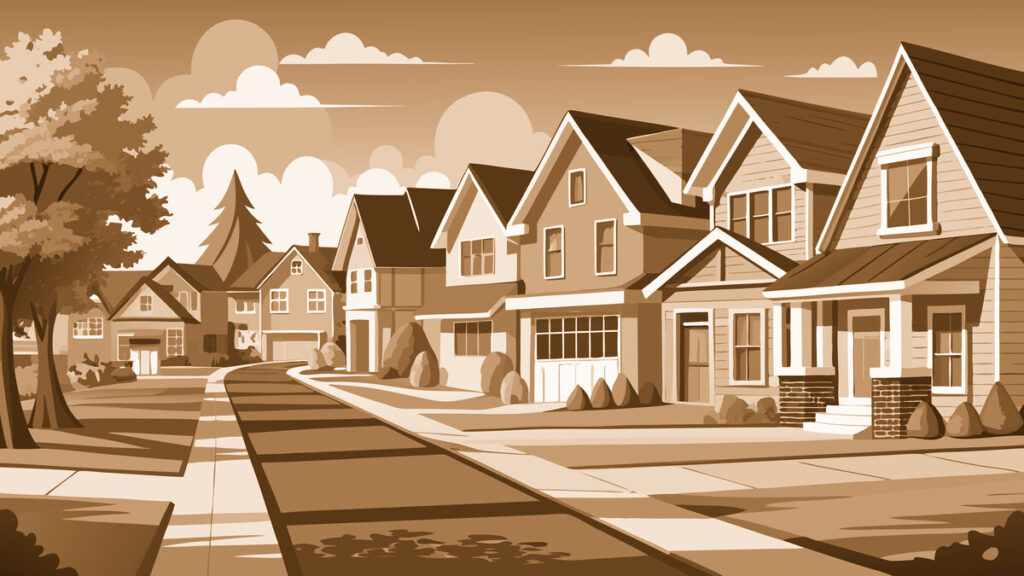
Nestled along the rolling terrain and leafy byways of Shelton, Connecticut, the Booth Hill neighborhood holds a treasury of local history and community heritage. From its colonial-era roots to its present-day vibrancy, Booth Hill’s story is one woven with resilience, tradition, and a keen sense of place. Whether you are a lifelong resident or a curious newcomer, this corner of Shelton has countless stories to tell.
The Origins of Booth Hill
The history of Booth Hill stretches deep into Shelton’s past, long before the city was even incorporated. The neighborhood takes its name from the Booth family, among the area’s earliest European settlers. In the early 1700s, members of the Booth family—descendants of Robert Booth, who emigrated from England in the mid-1600s—settled on the drumlin ridge that now bears their name.
Much of what we know about early Booth Hill comes from land deeds and local family histories. The area was prized for its elevated vantage points and fertile soil, making it attractive for farming and homesteading. Back then, what we now call Booth Hill Road meandered through dense woodlands, connecting scattered farms and serving as a lane for horse-drawn wagons.
How Booth Hill Got Its Name
The Booth surname is still prominent in regional records, and it’s clear this extended family left its mark not just in name, but in legacy. The Booth family’s influence grew with the establishment of local farms, and over generations, their properties became landmarks. Oral histories suggest that early community gatherings often centered near what’s now the intersection of Booth Hill Road and Old Stratford Road—an area that historically bustled with agricultural activity.
It was only natural, then, that the area became known as Booth Hill, both for its topography and its defining families. Today, reminders of the Booth lineage still echo in local street names and, perhaps, in the spirit of neighborliness for which the area is known.
Key Historical Milestones
Booth Hill’s transformation tracks with historic changes in Shelton itself:
- Agricultural Beginnings (1700s – mid-1800s): The earliest days saw Booth Hill as a patchwork of farms and stone walls. The Booth family and their neighbors sustained themselves with orchards, cornfields, and livestock. The rural character endured for decades, defined by self-reliance and community ties.
- Industrial Growth (late 1800s – early 1900s): As Shelton’s downtown and the Housatonic River corridor thrived with industry—powered by the Ousatonic Dam—the hillsides of Booth Hill began to shift. While still largely residential and rural, families here found work in Shelton’s bustling factories, and new houses cropped up along what is now Long Hill Avenue and Soundview Avenue.
- Suburbanization (Mid-20th Century – Present): After World War II, Booth Hill evolved steadily into a suburban haven. Larger tracts of farmland gave way to modest residential developments, including the tight-knit clusters of homes along Nichols Avenue, Forest Avenue, and parts of Booth Hill Road. By the late 20th century, Booth Hill had become a tranquil residential neighborhood with easy access to schools, shops, and parks.
Notable Landmarks and Institutions
Even as it has grown and changed, Booth Hill remains home to several enduring landmarks and local institutions:
- Booth Hill School: Located at 544 Booth Hill Road, this elementary school has welcomed generations of local children, fostering a strong sense of community pride. Its playgrounds echo each afternoon with laughter—a testament to the neighborhood’s family-friendly spirit.
- Stone Walls and Historic Homes: Driving along Booth Hill Road and its neighboring streets, you’ll notice remnants of original stone walls marking old farm boundaries, alongside a few well-preserved 19th-century homes. While many have been modernized, these properties hark back to an earlier era.
- Booth Hill Park: This small but beloved green space along Booth Hill Road offers a glimpse into the area’s natural beauty, with walking paths and patches of wildflowers in spring. It’s a quiet spot for reflection or a picnic, and locals treasure it as a respite from daily life.
- Local Places of Worship: Churches like St. Margaret Mary Parish, just a short drive away, have long been gathering places for Booth Hill residents, participating in Shelton’s web of faith-based community life.
Evolution Over the Decades
Booth Hill’s evolution has always been marked by adaptability. In the 1970s and 1980s, as Shelton expanded, Booth Hill welcomed newcomers drawn to its blend of old and new—tree-lined streets, established homes, and the promise of a quiet suburban life. Developments like the nearby Huntington Woods and continued growth along Huntington Street brought a fresh generation of families and professionals.
With time, a distinctive neighborhood culture has flourished; yearly block parties, children biking from lawn to lawn, and residents who still greet each other by name. The proximity to the Shelton Intermediate School, the Plumb Memorial Library, and the Shelton Community Center has only deepened that sense of belonging.
In recent years, efforts at historic preservation have gained momentum. Groups like the Shelton Historical Society and local volunteers have researched Booth Hill’s oldest homes, advocating for the protection of heritage landscapes and championing oral histories. New sidewalks and updated playgrounds have made Booth Hill even more family-friendly, while local restaurants and coffee shops nearby cater to evolving tastes.
What Makes Booth Hill Special
What endures in Booth Hill—beyond the history books—is a spirit of continuity. Neighbors garden together in spring and shovel snow for one another in winter. The rhythms of modern life gently blend with memories of the past, from the old stone boundary markers on Forest Avenue to the welcoming facade of Booth Hill School.
Residents cherish the neighborhood’s balance: peace and quiet mingled with easy commutes, historic homes next to new builds, and a sense that you are, truly, part of Shelton’s living story.
Explore Booth Hill
If you haven’t yet taken a stroll along Booth Hill Road, visited Booth Hill School, or enjoyed the green spaces that dot the neighborhood, you’re missing out on a slice of Shelton’s character. Booth Hill is more than a place—it’s a tradition, one proudly looked after by each generation that calls it home.
So next time you find yourself in Shelton, make time to wander through Booth Hill. Look a little closer at those old stone walls and chat with the neighbors. In their stories, and in the enduring warmth of this hillside enclave, you’ll uncover the heart of Shelton itself.